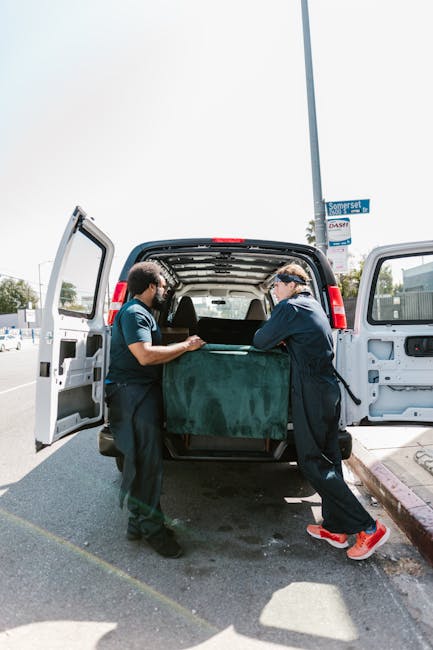
Affordable removals in Ruislip HA4 with local small vans
If you are planning a move in Ruislip HA4, you probably want two things at the same time: a fair price and a van that actually fits the job. That is where affordable removals in Ruislip HA4 with local small vans make a lot of sense. For smaller homes, flat moves, student moves, office clearances, furniture transport, or those awkward half-house moves that never seem to be as "small" as they first looked, a local small van service can be a smart, cost-conscious choice.
The trick is not just finding the cheapest quote. It is finding a service that saves money without creating hassle, delays, or damaged furniture. In practice, that means choosing the right vehicle size, planning the loading properly, and using a local team that knows the area, the roads, and the usual parking headaches. Let's face it, moving day is stressful enough without discovering the van is too large for your street or too small for your sofa.
This guide breaks down how local small van removals work in Ruislip HA4, when they are the best fit, how to keep costs under control, and what to check before you book. If you are comparing options, you will also find useful pointers on pricing and quotes, the wider range of removal services, and the differences between a man with van style move and a fuller house removal.
Table of Contents
- Why Affordable removals in Ruislip HA4 with local small vans Matters
- How Affordable removals in Ruislip HA4 with local small vans Works
- Key Benefits and Practical Advantages
- Who This Is For and When It Makes Sense
- Step-by-Step Guidance
- Expert Tips for Better Results
- Common Mistakes to Avoid
- Tools, Resources and Recommendations
- Law, Compliance, Standards, or Best Practice
- Options, Methods, or Comparison Table
- Case Study or Real-World Example
- Practical Checklist
- Conclusion
- Frequently Asked Questions
Why Affordable removals in Ruislip HA4 with local small vans Matters
Affordability is not only about the headline price. It is also about what you avoid paying for. A well-matched small van can reduce wasted space, cut unnecessary labour, and make local jobs far more efficient. In a place like Ruislip HA4, where many moves are short-distance, parking-aware, and time-sensitive, a compact vehicle often fits the reality better than a big removal truck.
There is also a practical angle. Local streets can be narrower than people expect, and not every property has generous access. A small van is easier to position for quick loading, especially for one-bedroom flats, studio moves, single-item transport, or partial house moves. That can mean fewer awkward manoeuvres, less time spent circling for access, and less stress for everyone involved. You will notice the difference fast on a busy morning.
Small vans are often a better match for customers who do not need a full-scale moving crew. If you are moving a few rooms' worth of belongings, or you just need careful help shifting the heavier items, the right van size keeps the job lean. And lean usually means cheaper, though not always; it depends on the distance, access, labour, and timing.
A local service also brings a human advantage. A team that regularly works around HA4 tends to know where parking gets tight, which routes are smoother, and how to plan around school runs, rush periods, and awkward loading bays. That local familiarity sounds minor, but in removals it can be the difference between a smooth move and a very long afternoon.
How Affordable removals in Ruislip HA4 with local small vans Works
The process is usually straightforward, but the good ones are careful about the details. First, you describe the move: what needs collecting, where it is going, and whether there are stairs, lifts, heavy items, or fragile goods. From there, the mover assesses vehicle size and labour needs. A small van is normally chosen when the load is modest and the access is manageable.
Then comes the practical planning. A proper loading order matters. Flat-pack furniture, boxes, white goods, chairs, and soft items do not all load the same way. Small vans make it easier to keep the job organised, provided the mover knows how to stack safely and efficiently. A rushed or badly packed van can waste space and cost more because it may need a second trip. Nobody wants that surprise.
For local jobs, timing is often based around one or two main windows: collection and delivery. If the move is nearby, the van can complete the job in a tighter time frame than a long-distance removal. That often helps with lower pricing, because the transport element is simpler and there is less idle time.
Some customers also ask for help with disassembly, reassembly, or packing. If that applies, it is worth checking whether the service includes extras such as packing and unpacking services or support from movers who can handle awkward items carefully. Small jobs can still need proper handling, especially when you own one heavy wardrobe that seems to have taken a personal dislike to every doorway in the building.
Key Benefits and Practical Advantages
There are several reasons a small van service is often the best-value choice for local removals in HA4.
- Lower vehicle overheads: Smaller vans usually cost less to run and can be more economical for compact moves.
- Better suited to local access: Tight roads, shared drives, and limited kerb space are easier to manage with a compact vehicle.
- Efficient for partial moves: Ideal when you are not moving an entire house but still need professional help.
- Less wasted space: You are not paying for a huge truck when your load is modest.
- Faster loading and unloading: A smaller, well-organised van can speed up the move and reduce hassle.
- Flexible for odd jobs: Furniture pick-ups, single-room moves, and ad hoc transport are all good fits.
Another advantage is flexibility. A small van can often be booked for tasks that are too large for a car but too small for a full removal vehicle. That middle ground is exactly where many people live, especially in rented flats, first homes, shared accommodation, or modest family houses. It is not glamorous, but it is practical.
And yes, affordability matters. But the real saving often comes from avoiding inefficiency. A local van that arrives on time, knows the area, and is big enough without being excessive will usually beat a bargain quote that turns into delays, extra labour, or repeat trips. Cheap and cheerful sounds nice. Cheap and chaotic, not so much.
Who This Is For and When It Makes Sense
Affordable removals with local small vans are a strong fit for people who want a sensible, budget-friendly move without committing to a full-scale removals package. This includes:
- tenants moving between flats or shared houses
- homeowners relocating a few rooms' worth of belongings
- students and graduates with lighter loads
- people buying furniture online and needing collection
- landlords or letting agents clearing smaller properties
- small businesses moving equipment or stock locally
- office teams shifting a small number of desks, chairs, or archive boxes
If you are moving a full family house, especially with large appliances, multiple wardrobes, and a garage full of "we may need that one day" items, a small van may not be enough on its own. In that case, a broader house removals or home moves service can be more suitable. The point is to match the vehicle to the load, not the other way round.
A good rule of thumb: if you can describe the move in one clear sentence and it does not sound like a small warehouse, a local small van may well be the right fit. If you need to explain it using diagrams, perhaps not.
Step-by-Step Guidance
Here is a simple way to approach the booking and move.
- List everything that is moving. Include boxes, furniture, bikes, mirrors, garden items, and anything awkwardly shaped.
- Check access at both addresses. Think about stairs, lifts, doorway width, parking, and any loading restrictions.
- Decide what help you need. Do you only need transport, or also loading, lifting, or assembly?
- Ask for a clear quote. Make sure you understand whether pricing is based on time, distance, vehicle size, or a combination. The page on pricing and quotes is a useful place to check the basics.
- Prepare the items in advance. Boxes should be sealed, furniture emptied where possible, and fragile items wrapped properly.
- Reserve parking if needed. If access is tight, plan this early rather than improvising on the day.
- Load in a logical order. Heavy items first, fragile items secure, and loose pieces kept from sliding about.
- Check everything at drop-off. Walk through the property, confirm nothing is left behind, and make sure delicate items are placed where they should be.
One small but useful habit: take photos of valuable items before the move. It is not because you expect trouble; it is just good practice. A quick snapshot can save a lot of memory-fog later when you are standing in a hallway surrounded by boxes and wondering which one contains the kettle.
Expert Tips for Better Results
Here is where a little experience pays off.
Choose the van based on volume, not guesswork. People often underestimate how much space soft furnishings, lamps, and boxed items actually take. A few bulky but light items can fill a van faster than expected.
Group items by room. It helps with loading and makes unloading much faster. Clear labels are boring, but they work.
Keep essentials separate. Phone chargers, documents, medication, basic toiletries, and a change of clothes should stay with you. You do not want them buried under the spare bedding.
Be honest about access. If there is a narrow staircase or a second-floor walk-up, say so. Accuracy in the booking stage saves time, and time is money.
Use the move as a sort-out moment. A local small van move is often the best excuse to let go of things you no longer need. That old side table may be "fine", but if you have not liked it in three years, maybe it is time.
Check business transparency. Look for clear communication on payment, insurance, and service terms. You can review the company's payment and security information, plus its insurance and safety approach, before booking.
Truth be told, the cheapest quote is not always the best value. A slightly higher price from a local operator who turns up prepared can be the better deal by a mile.
Common Mistakes to Avoid
Most problems on moving day are avoidable. The same mistakes come up again and again.
- Underestimating the volume: A van that is too small creates delays and possible extra charges.
- Not checking access: A wide-looking street can still be awful for loading.
- Packing badly: Loose items move, break, or make the load unstable.
- Forgetting about parking: In busy areas, this can become the biggest headache of all.
- Mixing fragile and heavy items: It is asking for trouble, honestly.
- Choosing only on price: A low quote without clarity can become expensive once add-ons appear.
- Leaving the booking too late: Small vans are flexible, but good local operators still get busy.
One more small mistake people make is assuming all "man and van" services are the same. They are not. Some are ideal for light, local work. Others operate more like full removal specialists. If you want a broader overview, the pages for man and van, man with a van, and removals can help you understand the service range.
Tools, Resources and Recommendations
You do not need specialist gear for a straightforward local move, but a few basic tools can make the day much easier.
- Strong boxes: Use uniform box sizes where possible; they stack better.
- Packing tape and labels: These save time and prevent confusion.
- Bubble wrap or paper wrap: Useful for glass, lamps, ornaments, and frames.
- Furniture blankets: Helpful for protecting wardrobes, tables, and polished surfaces.
- Straps and tie-downs: Important for keeping items stable in transit.
- Dolly or sack truck: Handy for heavier items, though not always needed on small jobs.
If you are clearing a room, replacing a sofa, or disposing of one or two bulky items, a dedicated furniture pick up service can be more appropriate than booking a full move. Likewise, if you are relocating a small office or shifting equipment, it may be worth looking at commercial moves or office removals rather than treating everything as a house move.
For customers who want to keep the project organised, a simple inventory list does wonders. Write down what is moving, what is fragile, and what should be loaded last. A bit old-school, maybe. Still works.
Law, Compliance, Standards, or Best Practice
For most domestic removals, the main concern is not complicated law; it is safe, sensible practice. That said, a professional removal service should still work in line with standard UK expectations around road use, safe loading, customer care, insurance, and handling of property. If a company says it is insured, it is reasonable to expect clarity on what that means and what is covered.
On the practical side, safe loading matters. Heavy items should be secured properly, loads should not be unstable, and the vehicle should not be overloaded. This is common-sense work, but it also affects safety on the road. Local operators who take this seriously usually have fewer problems and a calmer move overall.
For business customers, confidentiality and property handling matter too. Office moves often involve documents, IT equipment, and items that should be handled with care. If that is your situation, it is sensible to check the company's health and safety policy and, where relevant, its office relocation services.
Environmental practice can also be part of good service. Responsible disposal, reuse where possible, and sensible recycling are all signs of a thoughtful operator. For more on this, the company's recycling and sustainability information is worth a look. It is not about being perfect. It is about not making a mess for the next person.
Options, Methods, or Comparison Table
Choosing the right type of move depends on volume, budget, and how much help you want. Here is a simple comparison that often helps people decide.
| Option | Best for | Main advantage | Possible limitation |
|---|---|---|---|
| Local small van removal | Flats, small homes, partial moves, single items | Low cost and easier access | Limited space for larger loads |
| Man and van | Light to medium moves, flexible local jobs | Simple and often fast to arrange | May not suit very large or complex moves |
| Full house removals | Whole-home relocations, heavier loads, more furniture | More capacity and structured support | Usually costs more |
| Removal van with extra support | Moves needing a bit more handling or labour | Better balance of help and cost | Requires clear planning to avoid overbooking |
If you are comparing these options, think about your move honestly. Not ideally. Honestly. A studio flat, a few boxes, and a bed frame are a very different job from a three-bedroom house with a shed full of tools. The right option is the one that fits the load without inflating the cost.
For some customers, a small van is just the starting point. Others realise they need the structure of a removal company or the broader support of removal companies after all. That is fine. Better to decide early than halfway through packing.
Case Study or Real-World Example
Here is a typical local scenario. A tenant in Ruislip HA4 is moving from a one-bedroom flat into another property a short drive away. The load includes a bed, mattress, two small shelving units, a desk, a TV, about fifteen boxes, and a couple of chairs. Nothing outrageous, but too much for a car. The stairwell is narrow, the lift is unreliable, and the street outside has limited waiting space.
A small van is the right fit. Because the job is local, the mover can plan a direct route, load efficiently, and avoid the cost of a larger vehicle sitting half-empty. The boxes are stacked by room, the desk is wrapped, and the mattress is secured with blankets. No drama, no wasted journeys. The move is completed in a tidy window, and the customer avoids paying for a vehicle size they never really needed.
Now compare that with a similar move booked into a larger truck without any real need. The price would likely be higher, parking more awkward, and loading slower than necessary. That is the kind of mismatch affordable removals are designed to prevent.
Small, local, sensible. It sounds basic because it is. But basic is often what people actually need.
Practical Checklist
Use this checklist before your move day.
- Confirm the total number of boxes and furniture items.
- Measure any large or awkward pieces.
- Check lift access, stair access, and doorway width.
- Make sure parking or loading arrangements are clear.
- Ask whether the quote includes labour, waiting time, and mileage.
- Wrap fragile items and empty drawers if needed.
- Keep valuables and essentials with you.
- Label boxes by room and priority.
- Check the company's insurance and safety information.
- Review the terms before you book, especially cancellation or timing rules.
- Have a backup plan for keys, access, or traffic delays.
This kind of list may look a bit plain, but it saves real headaches. And on moving day, less headache is the whole game.
Conclusion
Affordable removals in Ruislip HA4 with local small vans are a strong solution when you want a practical move without paying for more capacity than you need. They work especially well for flat moves, light house moves, furniture collection, office clearances, and short local journeys where access matters as much as price.
The best results come from matching the van size to the job, packing well, planning access carefully, and choosing a service that is open about pricing and handling. If you do that, the move usually feels less like a scramble and more like a tidy, manageable job. Not exciting, perhaps. But very satisfying.
If you are comparing options now, take a moment to review the details, ask the awkward questions early, and make sure the service fits your actual needs rather than the move you wish you were doing. That bit matters more than most people think.
Get a free quote today and see how much you can save.
And if you want to explore who is behind the service, you can also read more about the company's about us information or use the contact us page when you are ready to speak to someone directly. A calm, well-planned move really does make the day feel lighter.
Frequently Asked Questions
What counts as a small van removal in Ruislip HA4?
A small van removal usually covers light to medium loads such as a few pieces of furniture, several boxes, or a one-bedroom move. It is best for jobs where a large truck would be unnecessary.
Is a small van cheaper than a full removal truck?
Usually, yes, because you are not paying for unused space or a larger vehicle. That said, the final price still depends on distance, labour, access, and timing.
Can a small van handle a flat move?
Yes, many flat moves are ideal for a small van, especially when the property is compact and the furniture list is sensible. If there are several bulky items, you may need a larger van or more than one trip.
How do I know if I need a man and van or a full removal service?
If your move is local and relatively small, a man and van style service can be enough. If you are moving a whole house or need more structured support, a fuller removal service is usually better.
What should I ask before booking affordable removals?
Ask what is included in the quote, how long the job is expected to take, what vehicle size is being used, and whether insurance is in place. It is also wise to ask about access issues and waiting time.
Do local small vans work for furniture collection?
Yes, they are often perfect for furniture collection, especially for one or two bulky items. A good example is a sofa, bed frame, or dining set that would not fit in a normal car.
Can I book packing help as well?
Often, yes. Some customers prefer to manage their own packing, while others want support with wrapping and unpacking. If needed, check whether packing and unpacking services are available.
What if my street has difficult parking?
Tell the mover in advance. Local small vans are usually easier to position than larger vehicles, but parking still needs planning. Clear information at booking stage avoids a lot of stress later.
Are small vans suitable for office moves?
They can be, especially for small offices, home offices, or light commercial items. For larger workspaces, you may want to look at office removals or broader commercial move options.
How can I keep my removals cost down?
Pack early, reduce clutter, label boxes clearly, and give accurate details about access and volume. The more organised you are, the less likely you are to pay for delays or extra trips.
What is the safest way to move fragile items?
Wrap them well, keep them separate from heavier items, and tell the mover which boxes are fragile. Good loading makes a huge difference, and sometimes a simple box of household bits needs more care than the wardrobe beside it.
Should I choose the smallest van to save money?
Not automatically. The best value comes from the right van, not the tiniest one. If the van is too small, you risk extra trips or a cramped load, which can cost more in the end.