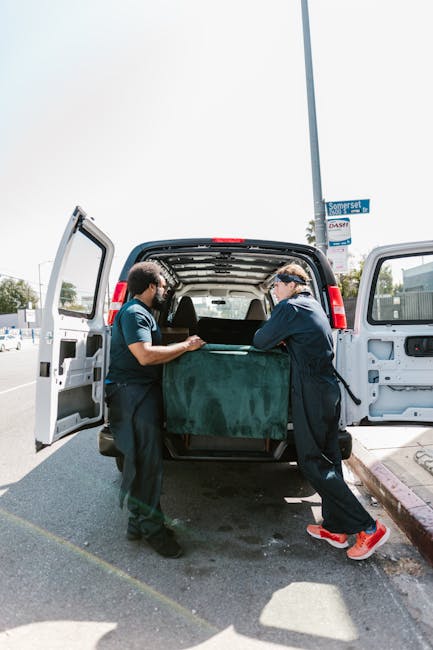
Man with Van in Ruislip

Our man with van in Ruislip service is set up for straightforward moving work that needs careful handling, sensible loading and a vehicle suited to the job. It is a practical option for furniture moves, partial house removals, single-item transport and small office relocations where an organised approach matters as much as the journey itself. The aim is simple: move items safely, keep the process clear and make it easier to arrange a quotation for the work you actually need.
We offer a focused removal service that can support homes, flats, landlords, students and businesses with flexible transport and loading help. For customers comparing options, our pages on man and van and removal services explain broader choices across the same kind of work. If you are planning a larger property move, the more specific home moves page may also be useful for understanding how domestic removals are commonly arranged.
Whether you need a little help shifting furniture or a vehicle for a more involved collection, the service is designed to stay proportionate to the load. That means you can request support for one item, a few rooms’ worth of belongings or a more structured move without having to commit to a bigger package than necessary. Tell us what needs moving, and you can begin to compare the right level of support with confidence.
House and flat moves
Domestic moving jobs are often less about scale and more about coordination. A van-sized removal can work well when the household contents are manageable, access is straightforward and you want someone to handle lifting, carrying and transport in one organised visit. That can suit rented flats, smaller houses, shared homes or situations where only selected items are moving to a new address.
On the domestic side, related pages such as house removals, house movers and house removalists show how home moving work can be described in different ways while still covering the same core task: moving belongings securely from one place to another. If you need a combination of carrying, loading and transport, that same practical service may be enough without adding unnecessary extras.
It is worth thinking about which rooms or items need moving, whether there are awkward pieces to dismantle or protect, and how much access there is at each end. A narrow stairwell, parking limits or heavy furniture can shape how the move is planned. A clear list of items makes it easier to prepare a sensible quotation and helps avoid waste on the day.
Furniture, single items and smaller collections
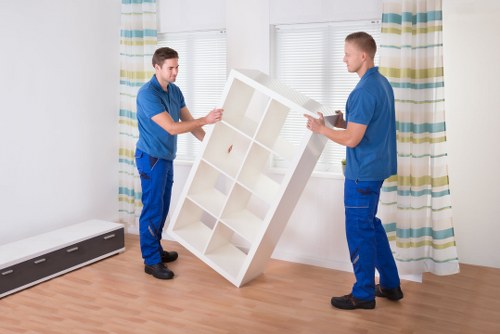
Not every booking is a full relocation. Some customers need a furniture pick-up, while others want one or two items collected from a shop, storage unit, auction, marketplace or another property. A van-based service is often a practical way to move bulky goods that would be difficult to transport in a standard car, especially when the items are large, fragile or awkward to carry alone.
Smaller jobs can still need the same care as a full move. Sofas, wardrobes, beds, dining tables, appliances and boxed possessions all need proper loading so they travel securely. If you are comparing a simple collection with a more general moving van option, the useful question is not how much can fit in one trip, but how the items should be protected and handled throughout the journey.
Measure carefully if the item is unusually long, wide or heavy, and note whether it needs any dismantling before transport. For collections from retail premises or storage, it also helps to think about packaging, floor protection and any lifting needed from door to vehicle. These small details can influence both the practical plan and the way the quotation is put together.
Office and commercial removals
Commercial work calls for a different rhythm from a domestic move. Office removal jobs can involve desks, chairs, filing, archive boxes, IT equipment and other contents that need orderly handling so the business can move its items without confusion. The key is to match the vehicle and labour to the amount of equipment involved, while keeping the process simple and well timed.
If your organisation needs support with a workplace move, the pages for office removals and office relocation services give a clearer picture of the type of moving work covered. For businesses looking for a broader overview of commercial transport, commercial moves is another relevant destination. These pages help separate small office clear-outs from larger relocation work.
Commercial customers often want to know how the move will affect access, lifting and the handling of sensitive items. That is why it is useful to identify what must stay together, what can be packed separately and whether any item needs special attention. A concise inventory can make the quotation more accurate and reduce avoidable delays when the move starts.
Packing, protection and safer loading

Packing support can make a noticeable difference to how smoothly a van move goes. Some jobs only need transport, but others are easier when belongings are boxed, wrapped or grouped properly beforehand. The page for packing and unpacking services is useful if you want to understand how preparation can sit alongside transport rather than being treated as a separate task altogether.
Protective wrapping, sensible stacking and careful placement inside the vehicle all matter when items are fragile, polished or unusually shaped. Even a short journey can put pressure on loose contents if they are not secured. Good loading practice helps reduce shifting in transit and is especially important when there are glass pieces, mirrors, picture frames or mixed household contents in the same load.
For customers who are organising the move themselves, a simple checklist is often enough: group similar items, empty drawers if needed, separate important documents, and keep essentials easy to reach. If part of the job involves unpacking at the destination, that can be planned around the rooms that matter most, rather than trying to unpack everything at once.
Vehicle choice, access and route planning

The right vehicle matters because different loads require different space, weight allowance and loading access. A compact move may be better suited to a van that is easy to position on a residential street, while a fuller load may need a larger vehicle to reduce the number of journeys. The practical aim is to match transport to the job without overcomplicating it.
Route planning is part of the same process. If a property has limited parking, loading restrictions or awkward access, that can affect the best time to arrive and the way the vehicle is positioned. For customers comparing transport options, our removal van, removal truck hire and moving truck pages provide a useful sense of how vehicle-based moving services are described across different types of work.
When the booking is being prepared, it helps to note whether there are stairs, long carries, lift access or any restrictions near the entrance. Clear access details support a more realistic quotation, and they also make it easier to decide whether the job is best handled as a quick collection or a fuller removal with additional loading time.
Pricing factors and quotation details
The price of a man with van job usually depends on the practical demands of the work rather than on a fixed template. Load size, access, distance, waiting time, lifting requirements and the number of items to be moved can all influence the final figure. This is why a quotation is best based on the actual details of the move rather than on a vague description alone.
Useful information often includes the collection and delivery points, the main items involved, whether there are stairs or lifts, and whether packing or dismantling is needed. If you want to compare general moving costs and related arrangements, the pricing and quotes page is a relevant place to start. It can help you think about what should be included before you ask for a formal quote.
Two customers may describe a move in similar terms but still need different levels of support. One may only need a single collection; another may require careful handling of furniture, boxed goods and access issues across several rooms. Giving a clear account of the job helps keep the quotation practical and avoids assumptions that do not match the real work.
About Ruislip
Ruislip is a suburban area in the London Borough of Hillingdon, in west London, with a history that reaches back to the Domesday Book. The modern district grew around the older village core and later expanded through housing development, transport links and the spread of suburban life in the twentieth century. Its historic centre still provides a focal point, with Ruislip High Street, the parish church of St Martin’s and a mix of older buildings that reflect the area’s long evolution from rural settlement to London suburb. The nearby Metropolitan and Piccadilly line stations helped shape that change by making the district easier to reach from central London and surrounding places. Ruislip Lido is one of the best-known local landmarks: a large freshwater lake created in the nineteenth century as a reservoir, later adapted for leisure use, with woodland paths and a miniature railway adding to its appeal. The area also includes Ruislip Woods National Nature Reserve, which forms part of one of the largest remaining areas of ancient woodland in Greater London. These woods, together with open spaces such as Manor Farm and its historic buildings, give the district a strong sense of green character alongside the suburban streets. The local landscape is shaped by a mix of residential roads, parkland and surviving historical fragments, so the area combines everyday town life with visible traces of earlier centuries. Cultural and civic life is anchored by local shopping streets, schools, churches and community spaces, while the retained green corridors make the district feel more spacious than many parts of inner London. As a result, Ruislip has a distinct identity that balances heritage, nature and suburban development.
Household moves with added support

Some moving jobs need more than a vehicle and a pair of hands. They may involve selective packing, loading from storage, carrying items from multiple rooms or moving possessions between homes at different times. In those cases, a man with van service can provide the practical middle ground between doing everything yourself and arranging a larger removal operation than the job requires.
If you want to compare related removal types, man with a van, man and van removals, man with van removal and removals all point to slightly different ways of describing moving support. The best choice depends on whether you need a simple transport job, a domestic move with carrying help, or a more structured removal arrangement that includes planning and loading.
If you are ready to make arrangements, keep the request concise and practical: list the items, mention access at both ends and note any special handling. Ask for a quotation once those basics are clear. For an enquiry or a fuller discussion of the job, please use the contact us page so the move can be assessed properly.
Choosing the right removal page
People often search for removal help using different words, but the underlying service may be very similar. The pages for removal company, removal companies, movers and removals near me all represent different ways customers may think about the same kind of moving support. The useful distinction is whether you need a broad moving service, a simple van job or assistance with a particular part of the process.
That is why it helps to match the page to the task. If you are moving a full household, a removal-focused page is likely the better fit. If the job is smaller, more flexible or centred on a few items, the van-based approach is often the more sensible choice. Either way, the goal is the same: a clear booking, a practical load plan and transport that suits the property involved.
Before sending an enquiry, it can help to check whether the move includes dismantling, packing, extra stops or collection from a storage unit. Those details are not administrative fluff; they change the shape of the job. A precise summary leads to a more usable quotation and makes it easier to decide what kind of support is required.